After Iran struck a cargo ship traveling the Strait of Hormuz on an “unauthorized route” near the coast of Oman, the U.S. has struck back, bombing radar installations and missile and drone storage facilities on the Iranian coast. Iran vowed retaliation.
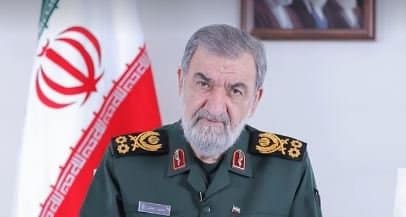
Meanwhile, NewsNation today was able to interview Dr. Mohsen Rezaei (pictured), a leader of the Islamic Revolutionary Guard Corps (IRGC) for 16 years and an adviser to the nation’s Supreme Leader, who expressed doubts that the U.S. is bargaining in good faith.
“We have still not seen any serious change in the behavior of Mr. Trump and his team. We feel they are simply buying time from us. They want to manage America’s domestic issues — for example, to get inflation and the banking crisis under control, hold the elections, and then the games will be over,” he said. “We have yet to see a serious move, a turning point in American behavior. Therefore, we have very little hope that this agreement will actually happen.”
Dr. Rezaei also denied any nuclear ambitions on Iran’s part: “We have always said we were not pursuing an atomic bomb.” He also affirmed that Iranian officials have discussed “service costs in the Strait of Hormuz” to “protect the Security of the Strait… [because] these costs cannot come out of the pockets of the Iranian people.”
In other words, Iran has every intention of charging fees — aka tolls — and insurance levies for vessels crossing the passageway. If vessels choose to transit in water belonging to Oman, Iran appears bent on attacking them, as shown just yesterday in its drone assault on the Singaporean ship Ever Lovely.
In response to the IRGC leader’s comments, the White House issued a statement saying the U.S. in bargaining in good faith. On X, Vice-President JD Vance said they can always “pick up the phone” if they think negotiations need fine-tuning.