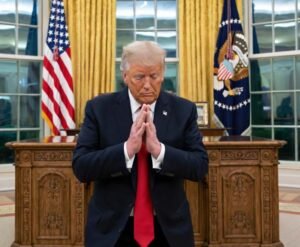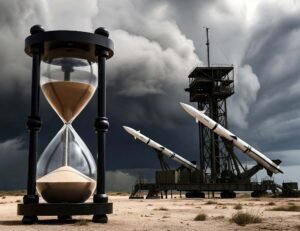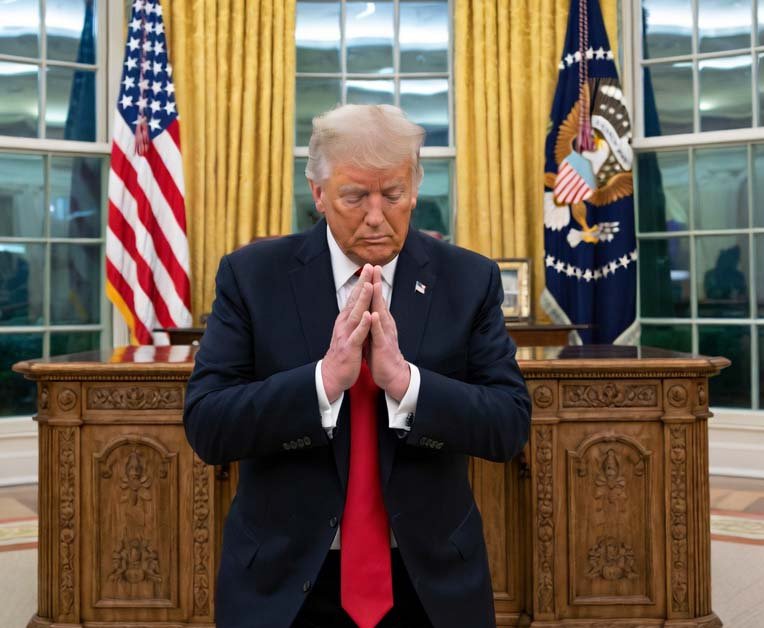
Donald Trump’s telling aides that he won’t resume all-out bombing on Iran unless U.S. troops are killed is a pivotal moment in his presidency — and is a result of his reflection on the whole messy Iranian situation. I believe the man has had an epiphany about the limits of power, power in the form of military might. This epiphany is, for Trump, a form of penance for mistakes he senses but will never own up to.
To wit, here’s my theory. Take it or leave it. Trump’s Iran campaign stemmed from three intersecting events:
- The first was the success of the Venezuelan campaign to capture Nicolás Maduro. It was military brilliance for all the world to see, and Trump reveled in it. He felt that he and his military could achieve whatever he told them to achieve. Voilà — say it, and it happens.
- With that triumph in mind, Trump then watched as Iranian citizens rose up in protest and were mowed down by the tens of thousands. Some were even killed in the hospital while recovering from bullet wounds. He promised that “help is on the way,” but was either talked out of immediate action or sensed that the timing wasn’t right. Whatever the reason, he felt he had to keep his promise. After all, taking out Maduro was such a snap, so let’s take out the Ayatollah and his crew. It should only take a few days at most. Such was his thinking.
- Third came the entreaties of Benjamin Netanyahu seeking aid in his campaign against the Islamic Republic and its terror cells threatening the mere existence of the State of Israel. Trump decided to keep his “help is on the way” promise, confident that his actions would lead to a popular uprising and regime change in Iran. Surely, there’s an Iranian Delcy Rodriguez to take over and do Trump’s bidding.
Unfortunately, after six weeks of bombing Iran’s military, air, and naval assets, and another two months of a ceasefire seeking a face-saving deal with Iran’s same-old, same-old leadership, Trump has had to reflect on the folly of it all. This week, he tried blaming it all on Bibi Netanyahu (so Trumpian to find someone else to blame).
Just days after that, he tells aides (according to the Wall Street Journal, which does have an anti-Trump bias) that the all-out campaign on Iran will not resume unless American troops are killed. But, he adds, skirmishes here and there can continue.
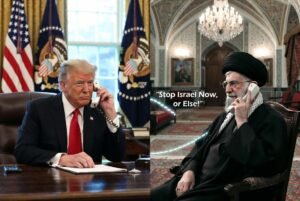
The question now is, with Iran sensing Trump is caught in a moral dilemma (or at least in a political one), how will that affect negotiations for a peace deal that includes seizing and destroying Iran’s enriched uranium? Trump, for what seems like the third or fourth week in a row, says that a deal is almost done and could be finalized in days. In contrast, Iran says it is not negotiating and will keep its nuclear dust, thank you very much.
Of course, Trump will never admit to any kind of self-reflection, let alone an epiphany or an urge to find penance, but actions do speak louder than words. His dilemma now is working out a deal that doesn’t smack of the Barack Obama pact that sent billions to the Islamic Republic but never put nuclear weapons out of Iran’s reach.
Iran is willing to lose wars, because it wins all negotiations. They seem to have mastered “the art of the deal” on the world stage. They’re just going to wait out Trump and his crew until they cave in the face of global economic doom.
When will Trump say “enough is enough” and agree to a “peace for our time” deal with the Iranian thugs, à la Neville Chamberlain in 1938 with Hitler in Germany?