Count me among the skeptics among Trump supporters who wondered about his obsession with tariffs and his adoration of William McKinley.
I agreed with the 45th President in his re-election bid when he pointed out the disparity in tariffs between us and the rest of the world. Yes, we were being taken advantage of.
However, I had no idea — even though Trump kept calling “tariff” the most beautiful word in the English language — that his whole term as President #47 would be consumed by tariff mania.
It’s all come home to roost now, what with consumers (myself included) freaking out over how much the price of our daily sustenance keeps rising every time we visit the market.
PLAY THE AUDIO BY PUSHING THE BUTTON BELOW
I have come up with a simple analogy, or comparison, to explain why Trump’s tariff program is backfiring. From the get-go, Trump’s Independence Day round of tariffs favored industry over consumption.
As I expressed in the headline to this article, Trump’s tariffs weighed heavily in favor of macroeconomics — rebuilding the nation’s industrial infrastructure (smokestacks) — and against microeconomics (breadsticks), or what the consumer gains in the short run, perhaps even in the long run.
That brings us to Tuesday, November 4, 2025, when Republicans were routed in every election, mainly over issues of affordability. Two major cities even elected communists as their mayors.
On Friday, November 14, Trump woke up and peeled back tariffs on food products and other consumer goods. Was it too late for the GOP in 2026? Time will tell, and so will prices at the supermarket.
As for his macroeconomic success, Trump keeps referring to $18 trillion in new investments in the U.S.
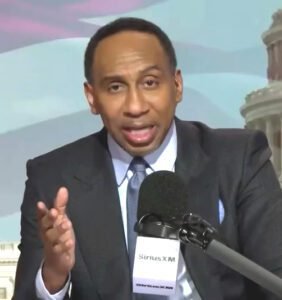
Aha, not only is that figure greatly exaggerated, but as Stephen A. Smith rightly pointed out to erstwhile conservative talk show host Sean Hannity, these are just pledges, not reality.
World leaders and business titans could well have made these pledges just to curry favor with the president.
Again, time will tell.
Meanwhile, Elon Musk’s robots will be trained and ready to take over any jobs these investments create.